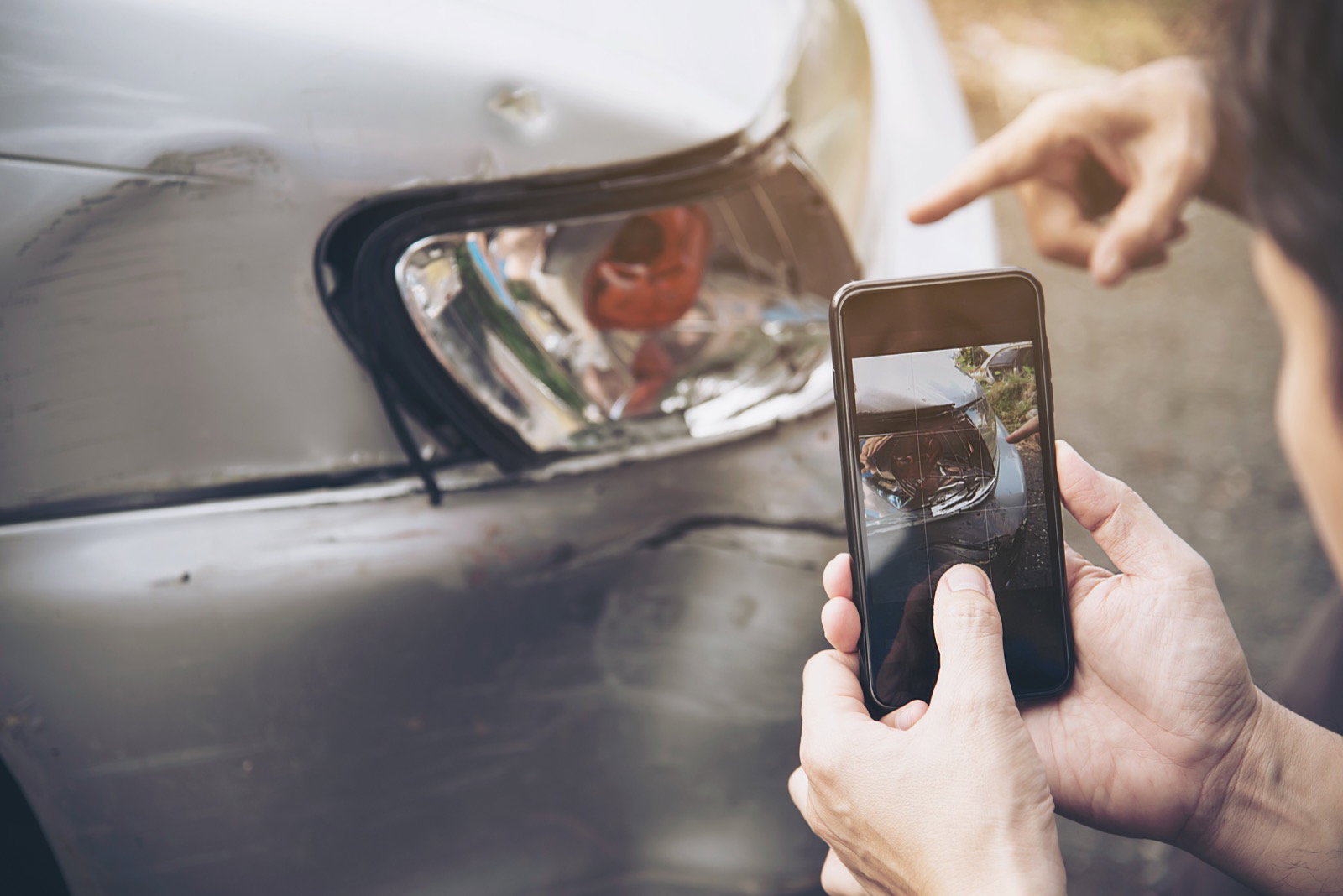


You had the light and you were in the crosswalk, and a car hit you anyway.
In 2024, New York City counted over 7,000 collisions involving pedestrians, and more than 200 people on foot were killed. Manhattan's crosswalks are crowded with turning cabs, rideshares, and delivery traffic, and the city has spent years redesigning streets and lowering speed limits under its Vision Zero program. The crashes still happen. When one happens to you, your rights are stronger than you probably think.
Being on foot does not make the crash your fault
If a car hit you while you were walking, you may have a claim even though you weren't driving. Insurers sometimes act as if pedestrians are automatically careless. New York law works differently: you generally can recover even if you share some of the blame, with your money reduced by your share. Don't accept an adjuster's version of what happened in that crosswalk without a second opinion.
The driver's no-fault insurance may cover your bills
Here's the part that surprises almost everyone. You don't need to own a car to use New York's no-fault system. A pedestrian hit by a car is generally covered by the driver's no-fault insurance, which generally pays basic medical bills and part of lost earnings, up to $50,000 in basic coverage, no matter who caused the crash.
The catch is the deadline. The no-fault application is generally due within 30 days of the crash. Your deadline may be different. That is exactly why you should get advice now, not later.
Serious injuries can mean a claim beyond no-fault
Pedestrian injuries are often severe, because you had no metal around you. If your injury is "serious" as New York law defines it, a broken bone, significant scarring, a permanent or significant limit on how your body works, or an injury that keeps you from normal life for at least 90 of the first 180 days, you generally can also claim against the driver for pain and suffering. That is often the biggest part of a serious case. Here's the serious injury rule in plain English.
Even a hit-and-run may not end your claim
If the driver fled and was never found, pedestrians may have a claim through MVAIC, a New York fund built for victims with no other coverage. It has strict notice deadlines, some measured in months, and a prompt police report matters. Here's what to do after a hit-and-run.
What to do this week
Get medical care now and keep every appointment. Save the driver's information, witness names, photos of the crosswalk and signal, and the police report number. Report the crash and start the no-fault application. And before you talk numbers with any insurer, get advice from someone on your side. Our step-by-step guide covers it all.
Questions Manhattan pedestrians ask us
Does no-fault insurance cover pedestrians in New York?
Generally yes. A pedestrian hit by a car is generally covered by the driver's no-fault insurance for basic medical bills and part of lost pay, regardless of fault. The application generally must be filed within 30 days.
What if the driver who hit me took off?
Report it to the police immediately, generally within about 24 hours for backstop claims, and write down everything you remember. MVAIC may cover pedestrians with no other coverage, and its deadlines are strict.
Can I get pain and suffering money as a pedestrian?
Generally only if your injury clears New York's serious injury threshold. Whether yours does is exactly the kind of question to ask early, for free, before you accept anyone's number.
Hit by a car in Manhattan? Get your free case review or call (347) 526-1246. A real person answers, 24/7.