

Short summary: Yes, you can generally still file a claim after a crash caused by a driver's sudden medical emergency, because New York's no-fault system and liability rules don't automatically disappear just because the driver didn't mean to crash. What changes is how the case gets proven, and that's why moving fast matters.
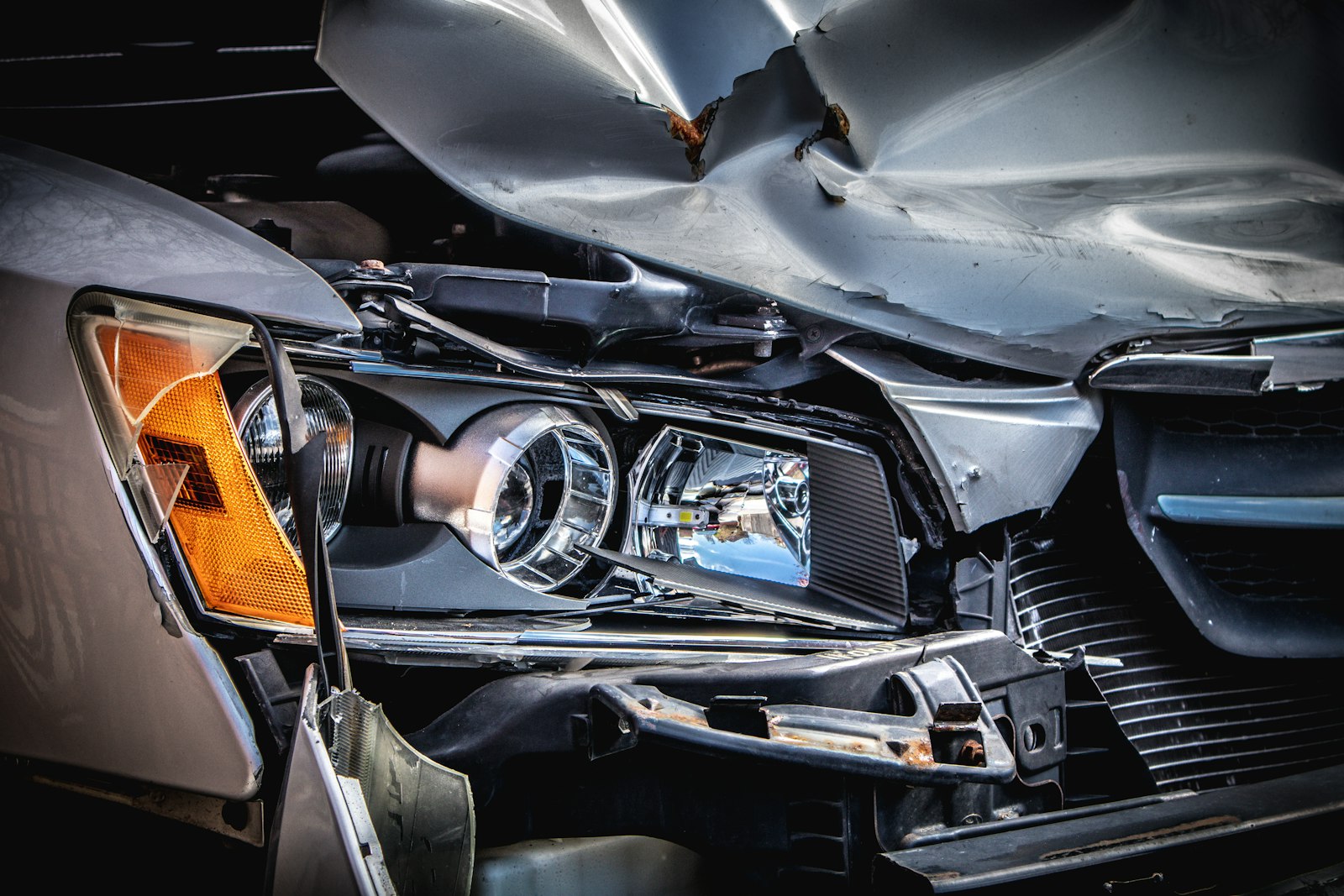
On Friday afternoon, an 81-year-old man driving a Mercedes lost control at the intersection of Allerton and Holland Avenues in the Bronx.
Police and witnesses believe he may have suffered a medical episode behind the wheel. The car plowed through the intersection, striking pedestrians and several other vehicles before coming to a stop.
Two women died. Several more people, including bystanders and people riding in other cars, were hurt badly enough to go to the hospital. The driver himself walked away with only minor injuries. As of the latest reports, no charges have been filed.
Does a medical emergency defense actually work in New York?
Sometimes, but not automatically.
New York courts have recognized a sudden, unforeseeable medical emergency as a possible defense to a negligence claim. The key word is unforeseeable.
If the driver had no warning signs, no history of fainting or seizures, and no reason to think he shouldn't be behind the wheel, a jury could find he wasn't negligent.
But if he'd had a similar episode before, or his doctor had warned him about driving, that defense can fall apart fast. Medical records become some of the most important evidence in a case like this, and they don't preserve themselves.
Who actually pays the bills right now
This is the part families miss while they're focused on the hospital.
If you were a pedestrian or in another car, New York's no-fault insurance generally covers your medical bills and lost wages first, regardless of who caused the crash.
- Pedestrians hit by a vehicle generally file against that vehicle's no-fault policy
- Passengers in another car generally file against their own vehicle's policy, or the striking car's, depending on the facts
- No-fault claims generally need to be filed within 30 days, not whenever charges, if any, get resolved
Our guide on the 30-day no-fault deadline walks through exactly how that clock works, because waiting on a police report is one of the most common reasons people lose benefits they were entitled to.
What to do in the next few days if you were hurt
- Get checked out even if you feel okay. Adrenaline hides injuries for days.
- Write down what you remember: the time, the direction cars were moving, anything a witness said.
- Hold onto every medical bill and every day of work you miss.
- Don't give a recorded statement to an insurance adjuster before you understand what you're owed. Our page on talking to the insurance adjuster explains why that call can wait.
If you're still sore weeks later, physical therapy is usually part of a documented recovery, and that documentation matters for any claim.
Questions New Yorkers ask us
Can I still sue if the driver says he blacked out?
Generally, yes, you can still pursue a claim. A medical emergency defense only works if the driver can show the episode was truly sudden and unforeseeable. That's a high bar, and it's the driver's burden to prove, not yours.
What if I was just walking by and got hit?
You're generally covered by no-fault benefits through the vehicle that hit you, the same as if you'd been a passenger. You don't need to have done anything wrong, and you don't need the driver to be charged with a crime to file.
Do I need a lawyer if no charges were filed?
Not necessarily right away, but it helps to find out where you stand. Deadlines vary by situation, which is exactly why it's worth getting advice now instead of after a deadline passes. Our guide on what to do after a car accident in New York is a good place to start.
Not sure where you stand after a crash? Get your free case review or call (347) 526-1246. A real person answers, 24/7.
Reporting: ABC7 New York.