

Short summary: A firefighter working an active crash scene was struck by a passing driver who then left the area. Police tracked the vehicle with plate readers and arrested a 23-year-old. Secondary crashes at scenes are a recognized hazard, and for the person hurt, two separate claims generally run at the same time.
The most dangerous place at a crash scene is often several feet outside the wreck.
What happened
Around 7:30 a.m. on Wednesday, September 3, firefighters were working an earlier traffic collision near Woodrig Road and Morrissey Drive in Bloomington, Illinois, when a passing vehicle struck one of them. The firefighter had minor injuries and was treated at the scene by his own crew.
The driver left the area. Police obtained a partial plate and used automated license plate reader technology, with help from the county sheriff and state police, to locate the vehicle. A 23-year-old was arrested and charged with aggravated battery, reckless driving and failure to remain at the scene of a personal injury crash. Illinois' move over statute, known there as Scott's Law, carries felony penalties and fines up to 10,000 dollars when a violation causes injury, as reported by Hoodline.
The New York angle
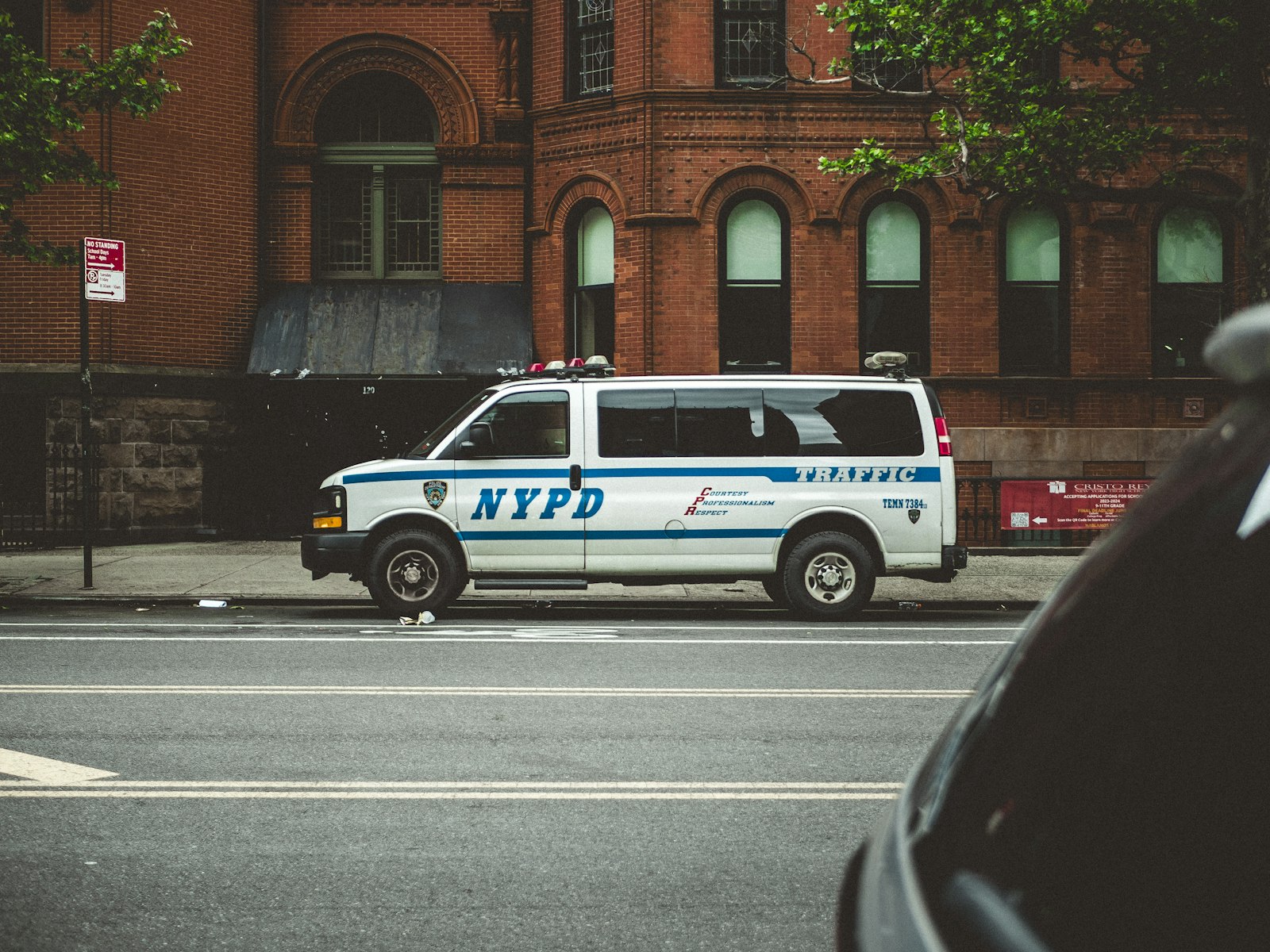
New York has its own move over law requiring drivers to slow down and, where possible, change lanes when approaching a stopped emergency vehicle, tow truck, or other authorized vehicle displaying warning lights. Violations carry points and fines.
For a civil claim, the statute matters as evidence. A driver who violated a safety statute designed to protect exactly the person who was hurt is generally in a difficult position on the question of carelessness.
Two claims, not one
A first responder injured on duty generally has a workers' compensation claim, which covers medical treatment and a portion of lost wages regardless of fault. That claim is against the employer's carrier and it does not require proving anything about the driver.
Separately, there is generally a third-party claim against the driver who caused the injury, which can cover categories workers' compensation does not. The two interact, because the compensation carrier typically has a lien on any third-party recovery, and handling that interaction poorly can cost more than the recovery is worth. The same structure applies to road crews, which we covered in our post on a Nesconset road crew crash.
What civilians at a crash scene should know
The same secondary-crash risk applies to drivers and passengers standing outside their vehicles after a collision. If you can move the car to a shoulder safely, do it. If you cannot, stay behind the barrier and not between vehicles. And if you are struck while waiting for help, that is generally its own claim, separate from the original crash, with its own at-fault driver and its own policy. Our 10-step checklist starts with exactly this.
Questions New Yorkers ask us
If workers' compensation covers you, can you still claim against the driver?
Generally yes. Workers' compensation limits claims against your employer, not against an unrelated driver who caused the injury. The two claims are usually pursued together.
Does breaking the move over law prove the driver was at fault?
Generally it is strong evidence rather than an automatic answer. Violating a safety statute meant to protect the injured person tends to make the carelessness question much easier.
Not sure where you stand after a crash? Get your free case review or call (888) 208-0529. A real person answers, 24/7.
Reporting: Hoodline.