
Short summary: Thirteen parked cars were wrecked in a few seconds on a Brooklyn side street by a driver who had no license. No one was injured. When the at-fault driver is unlicensed, uninsured, or both, the repair money generally has to come from somewhere other than the obvious place, and the owners need to know where to look.
Property damage cases feel small until it is your car and your commute.
What happened
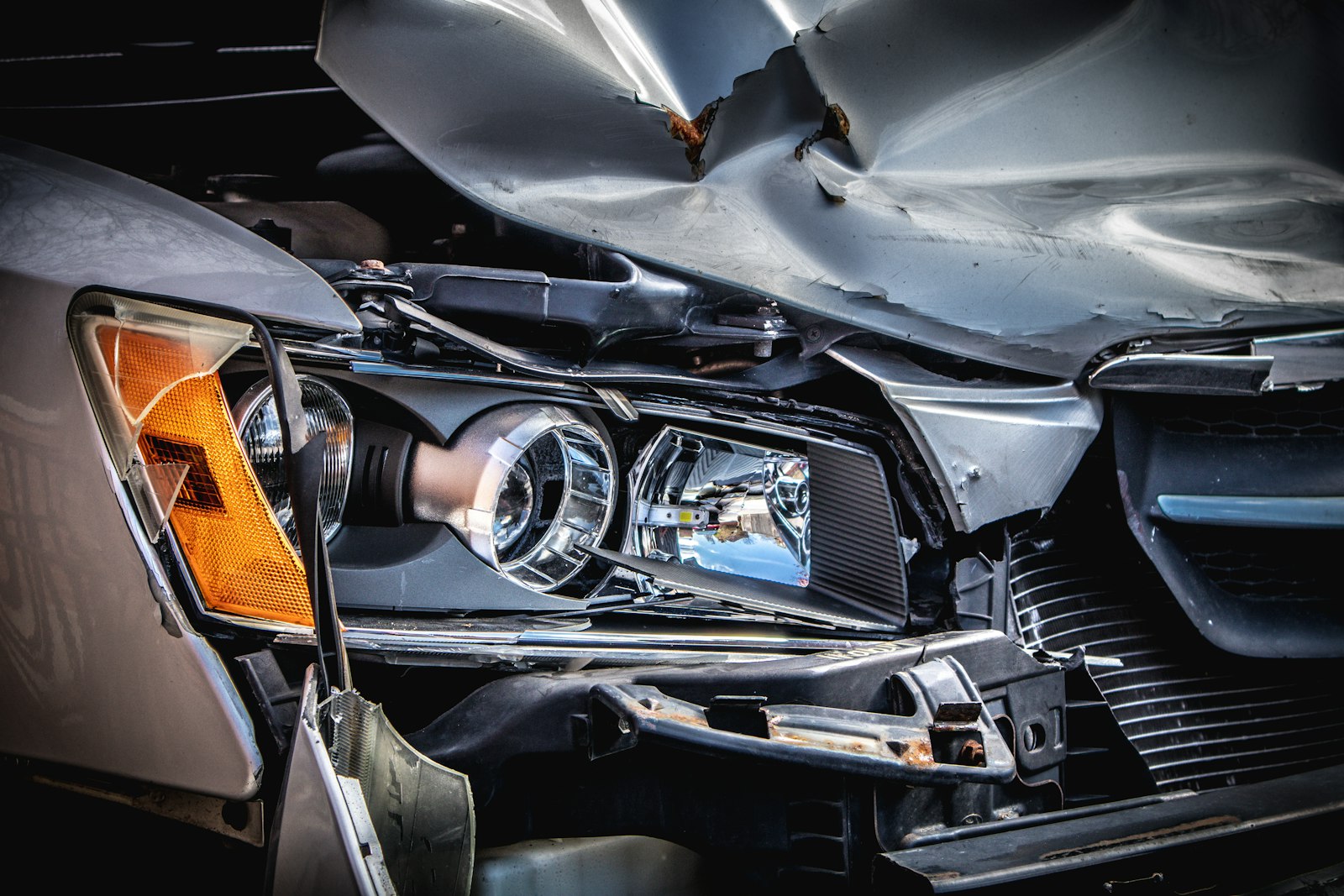
Just before 7 p.m. on September 1, a 17-year-old with no driver's license struck 13 parked cars on East Second Street in Gravesend, Brooklyn, police said. He left the scene with a 16-year-old passenger still in the car, and both teenagers were taken into custody shortly after.
All 13 vehicles were parked and unoccupied, and no one was hurt. The driver was issued a summons for driving without a license and for leaving the scene of an accident, as reported by CBS New York. One neighbor described the sound as a repeated bang, one car after another.
Three separate coverage questions
An unlicensed teenage driver raises three questions at once, and they do not all have the same answer.
The first is whose car it was. In New York, the owner of a vehicle is generally responsible for damage caused by anyone driving it with permission, which is why the owner's policy is usually the first place a claim goes. The second is whether that policy will honor the claim, because insurers sometimes push back when the driver was unlicensed. The third is what happens if there is no usable policy at all.
When there is no policy to bill
If the at-fault side has no coverage that responds, the owners of those 13 cars are generally left with their own policies. Collision coverage, if they carry it, pays for the repair minus the deductible. New York policies also generally include uninsured motorist property damage coverage, which can apply to damage caused by an identified uninsured driver, subject to its own limits and conditions.
This is the same coverage stack that carries hit-and-run victims, and we lay it out in our guide to hit-and-run and uninsured-driver claims.
If your parked car was hit
File a police report even when the damage looks cosmetic, because that report is what links your car to the incident. Photograph the car where it sits before it is moved. Get the incident number, not just the responding officer's name. Then call your own insurer before you accept a body shop estimate, and read our piece on talking to the adjuster first. Our Brooklyn first-week guide covers what else to do.
Questions New Yorkers ask us
Does a summons to the driver mean your repair is covered?
Generally no. A summons is a traffic or criminal matter between the driver and the court. It does not create a payment to you, though it can be useful evidence of what happened.
Can you claim against the parents of a teenage driver?
Generally, the claim runs against whoever owned the vehicle and the policy covering it, which is often a parent. Whether a parent is separately responsible depends on the facts, including who let the teenager have the keys.
Not sure where you stand after a crash? Get your free case review or call (888) 208-0529. A real person answers, 24/7.
Reporting: CBS New York.