

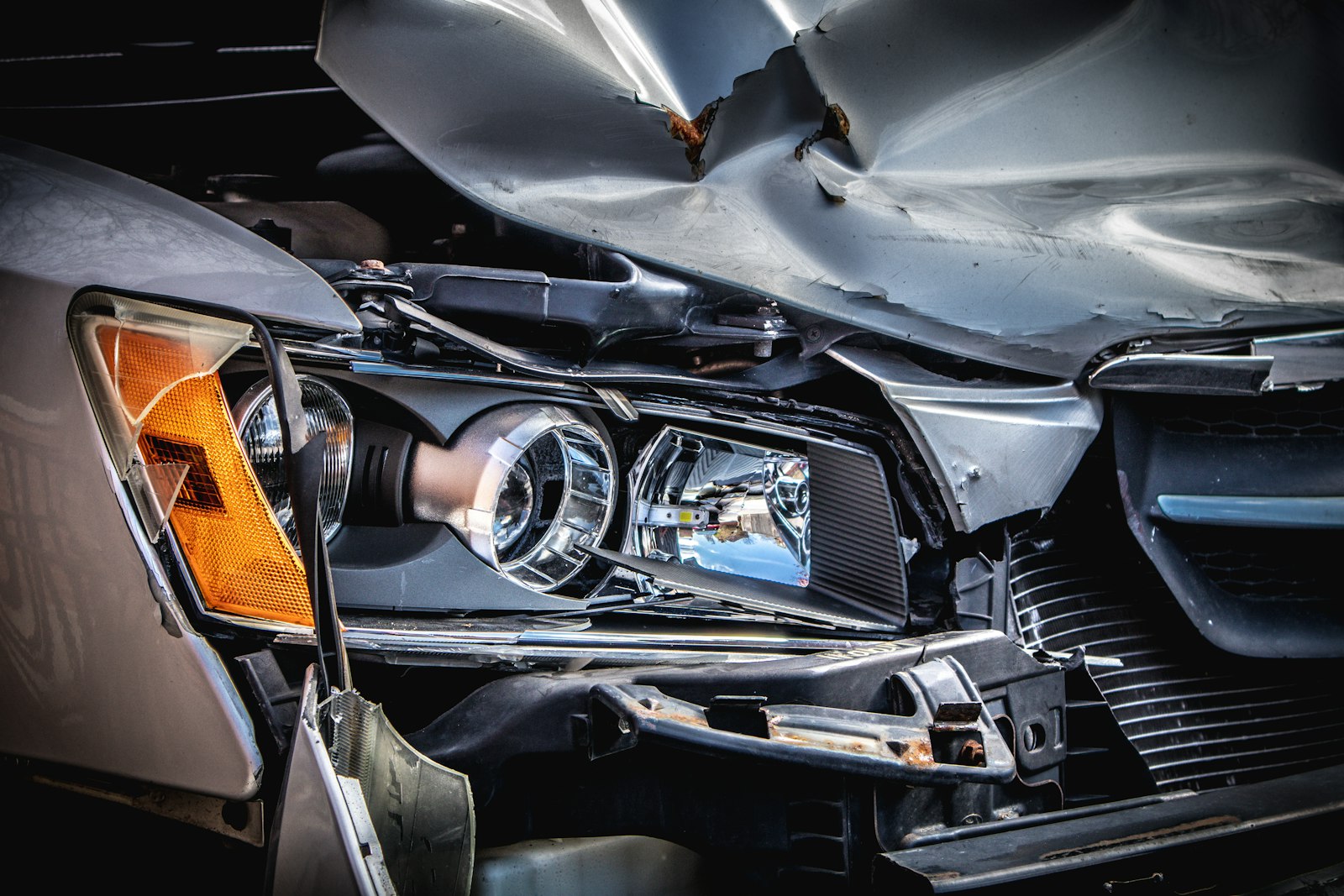
Short summary: A car flipped onto its side on West 57th Street in Midtown Manhattan on Saturday evening, October 10, sending three people to the hospital. Police have not said what caused it, and in New York, that uncertainty generally does not stop you from getting your medical bills covered right away.
It happened just after 6 p.m. on West 57th Street between Sixth and Seventh Avenues, a block most New Yorkers walk past every day without a second thought. One minute it's an ordinary Saturday evening in Midtown. The next, a car is on its side and three people are being loaded into ambulances.
No cause has been confirmed. Another driver cutting someone off, a mechanical failure, a bad patch of road. Nobody outside the investigation knows yet, and you don't need to know yet either to protect yourself.
Why "no cause yet" doesn't mean "no coverage yet"
New York is a no-fault state. If you were in a car, any seat, when it crashed, your own auto insurance generally has to start paying your medical bills within days, no matter who turns out to be at fault.
You don't have to wait for NYPD to finish its investigation or for a report to name a cause. You just have to file in time.
The clock that starts the moment you're hurt
New York gives you a short window to file for no-fault benefits, shorter than most people expect. Our 30-day no-fault deadline guide breaks down what that clock covers. Miss it, and you can generally lose benefits that would have covered your ER visit, follow-up care, even lost wages.
If a second car turns out to be involved
Rollover crashes that start as "single car" stories sometimes become two-car stories once dashcam or traffic camera footage surfaces. If another driver forced this car off its path, that driver's insurance may owe money on top of no-fault. Don't assume you have no case just because today's headlines don't mention another vehicle.
What to do if you're ever the one in the flipped car
- Get checked out even if you feel fine. A flip throws your body around in ways that hide injuries for a day or two.
- Write down what you remember about the moments before the crash while it's fresh.
- Don't guess at fault out loud to police or an adjuster. Just describe what happened.
- Start physical therapy early if a doctor recommends it. Our physical therapy guide explains why early treatment generally matters for your recovery and your claim.
If your car is totaled or held as evidence, you may need wheels fast. Here's what to know about a rental car after a crash. For the fuller first-24-hours rundown, read our guide to the first steps after a crash.
Questions New Yorkers ask us
Do I still have a claim if police never figure out what caused the crash?
Generally, yes. No-fault benefits don't require a determined cause, and a personal injury claim can still move forward once dashcam footage or an expert review turns up more facts.
Should I talk to my insurance company before anyone knows what happened?
Be careful. You generally need to report the crash, but what you say to an adjuster can shape your claim later. See talking to the insurance adjuster for what to share.
What if I was a passenger, not the driver?
Passengers generally have it easier. You're almost never at fault for how someone else's car handled, and no-fault benefits cover you the same way they'd cover the driver.
Not sure where you stand after a crash? Get your free case review or call (347) 526-1246. A real person answers, 24/7.
Reporting: CBS New York.