
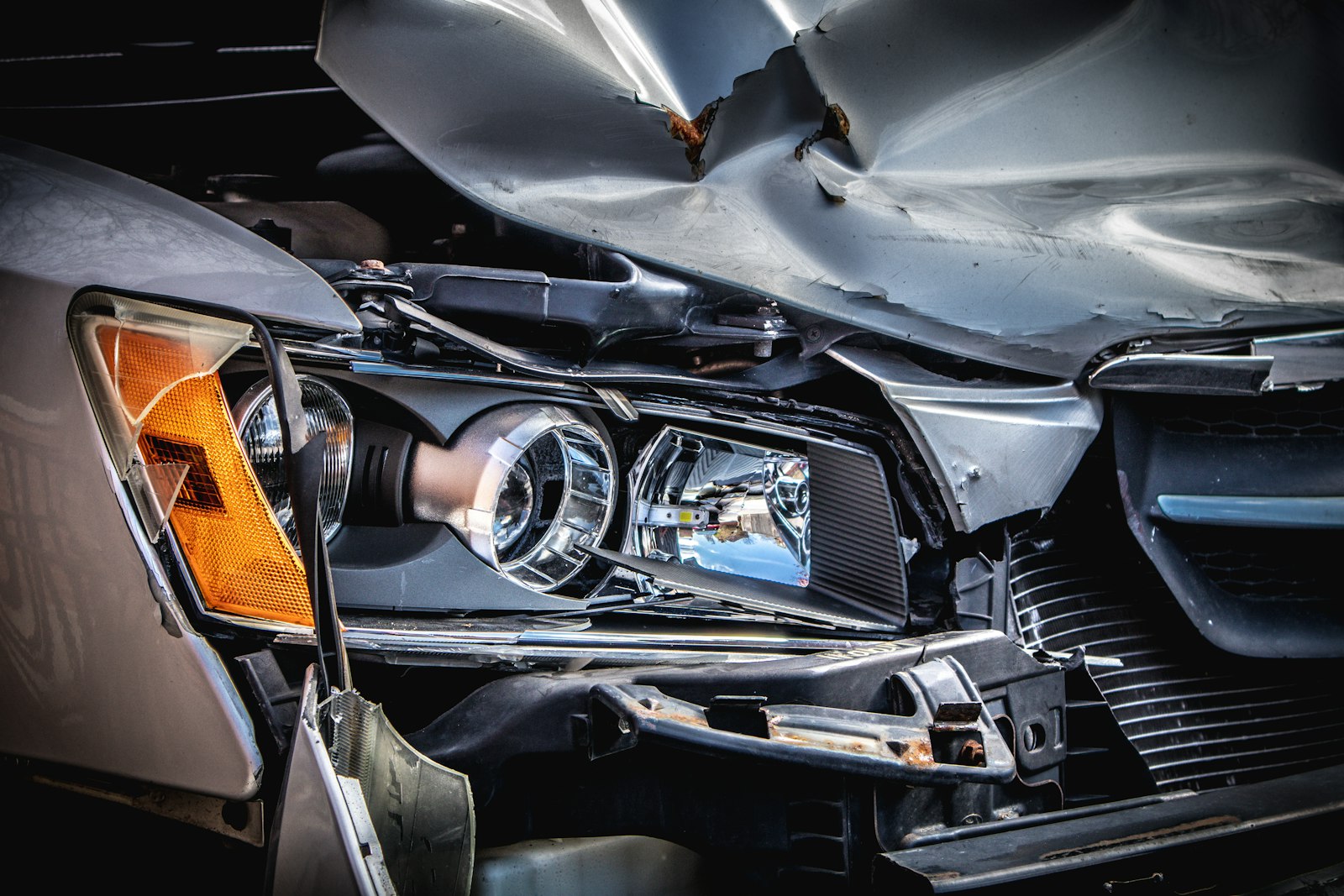
Short summary: A 37-year-old man died late Monday night when his SUV left I-390 in Livingston County, struck a guardrail, rolled down an embankment and caught fire in a creek bed. A crash with only one car involved can still lead to a claim, generally against the vehicle's manufacturer, a repair shop, or the agency responsible for the road, depending on what investigators find.
State Police say the man was driving north just past 10 p.m. on Monday when his 2025 Chevrolet Trailblazer left the road near the town of Mount Morris.
The SUV hit a guardrail, flipped, and went down an embankment before landing in a creek bed. That's where it caught fire. He was alone in the car. He died at the scene.
His name hasn't been released. The Livingston County coroner ordered an autopsy, and troopers say they're still working out what caused the crash.
A Crash With No Other Driver Still Raises Questions
When a crash looks like "just" a driver losing control, it's easy to assume there's nobody to hold responsible. That's often not true.
Investigators in cases like this one generally look at several things before they close the file:
- Whether the vehicle had a known defect, like a steering, tire, or brake issue
- Whether the guardrail or shoulder were built and maintained the way state standards require
- Whether weather, road debris, or a mechanical failure played a role
- Whether another vehicle forced the SUV off the road and simply didn't stop
Why the First Few Days Matter
Evidence at a crash site doesn't last. Skid marks fade, guardrail damage gets repaired, and a burned vehicle can be scrapped before anyone outside the police file ever examines it.
If you're a family member trying to understand what happened to someone you love, it generally helps to ask investigators, in writing, to preserve the vehicle and any data recorder inside it.
What a Claim Against the State or County Can Look Like
If a road defect contributed to a crash like this, a claim against the state or county generally runs on a short, strict deadline, often far shorter than the usual three years New York gives for injury claims. That's why it's worth getting advice early, even while the investigation is still open.
Our guide on what to do after a car accident in New York walks through the first steps, and our after a crash page covers what to expect in the weeks that follow.
What This Means for Your Family
You don't have to wait for troopers to finish their investigation before you start asking your own questions. An attorney can request the same records police are reviewing, like the SUV's event data recorder, maintenance history, and the guardrail's inspection records.
If an insurance adjuster calls before you've had a chance to think it through, it's worth reading should I talk to the insurance adjuster first.
Questions New Yorkers ask us
Can you file a claim if no other car was involved in the crash?
Generally, yes. If a vehicle defect, a road hazard, or a guardrail that wasn't maintained properly contributed to the crash, a claim can generally be made against the manufacturer, a repair shop, or the government agency responsible for that stretch of road.
What if the official investigation says it was just driver error?
Police reports focus on whether to file criminal charges, not on every possible cause. A separate review can generally still turn up a defect or road problem the initial report never covered.
How long does a family have to look into this?
It depends on who might be responsible. Deadlines vary a lot, and a claim against a government agency can run out in a matter of months, not years. That's exactly why it generally makes sense to get advice now rather than waiting.
Not sure where you stand after a crash? Get your free case review or call (347) 526-1246. A real person answers, 24/7.
Reporting: WHEC.