

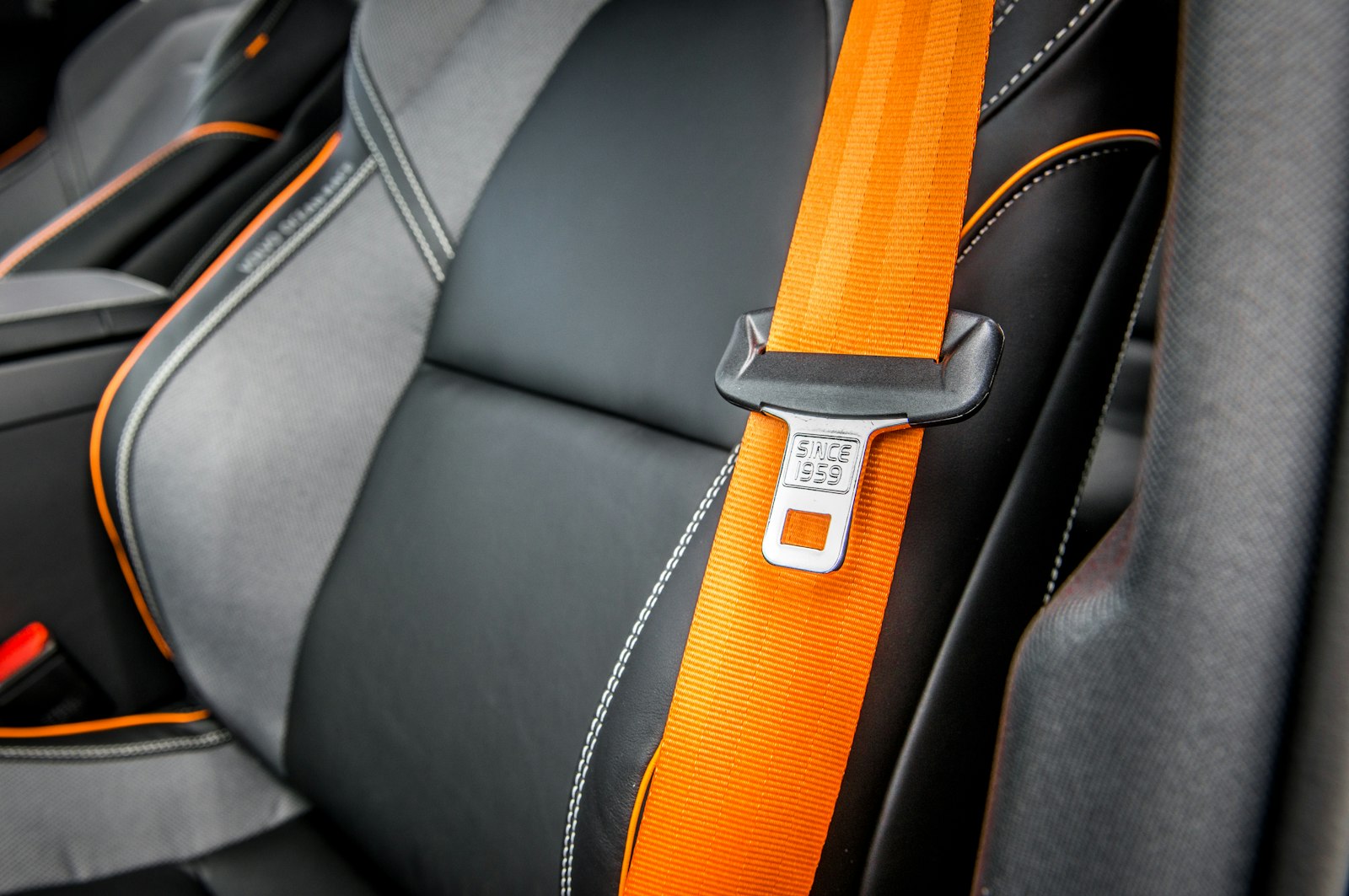
Short summary: New York's December 1984 seat-belt law was America's first. It helped push belt use from 16% to about 92% nationwide, and federal studies credit belts with hundreds of thousands of lives saved. In an injury claim, expect the insurer to ask whether you were buckled. It can affect how parts of a claim are valued, but it generally doesn't end a case on its own.
On December 1, 1984, New York became the first state in America to require drivers to buckle up.
Compliance jumped from 16% to 57% within four months of enforcement. Today nearly 92% of Americans wear a belt, as USA TODAY reported on the law's 40th anniversary.
The numbers behind that habit are staggering. A federal NHTSA study found that vehicle safety standards prevented more than 860,000 deaths between 1968 and 2019. Nearly half of those saved lives are credited to seat belts alone.
The sobering flip side
Belts only work when they're worn.
Of the roughly 25,000 people killed in passenger vehicles in a recent year, about half weren't buckled. Trauma doctors quoted in the reporting say the difference in injury severity between belted and unbelted crash victims is visible the moment they arrive.
Why seat belts come up in injury claims
Here's the part most people don't learn until they're in a claim: whether you were wearing your belt almost always comes up.
Expect the insurance company to ask, and expect it to matter to how they value parts of your claim.
It doesn't mean an unbelted passenger has no case. It means the case needs to be handled with more care, and it's one more reason not to guess your way through an insurer's questions alone.
Buckle up, then know your rights
The belt is the two-second habit that decides crashes before they happen.
If a crash has already happened, belted or not, find out where you actually stand before you accept anyone's number. The case review is free, and our guide to what builds a case's value is a good place to start.
Questions New Yorkers ask us
Does not wearing a seat belt ruin my injury claim in New York?
Generally no, it doesn't end the case. But expect the insurance company to raise it, and it can affect how parts of the claim are valued. It's a case-by-case question, and one more reason to get free advice before you accept anything.
When did seat belts become law in New York?
December 1, 1984. New York was the first state in America to require drivers to buckle up.
Not sure where you stand after a crash? Get your free case review or call (888) 208-0529. A real person answers, 24/7.
Reporting: USA TODAY via Yahoo News. Photo by Remy Lovesy on Unsplash.