
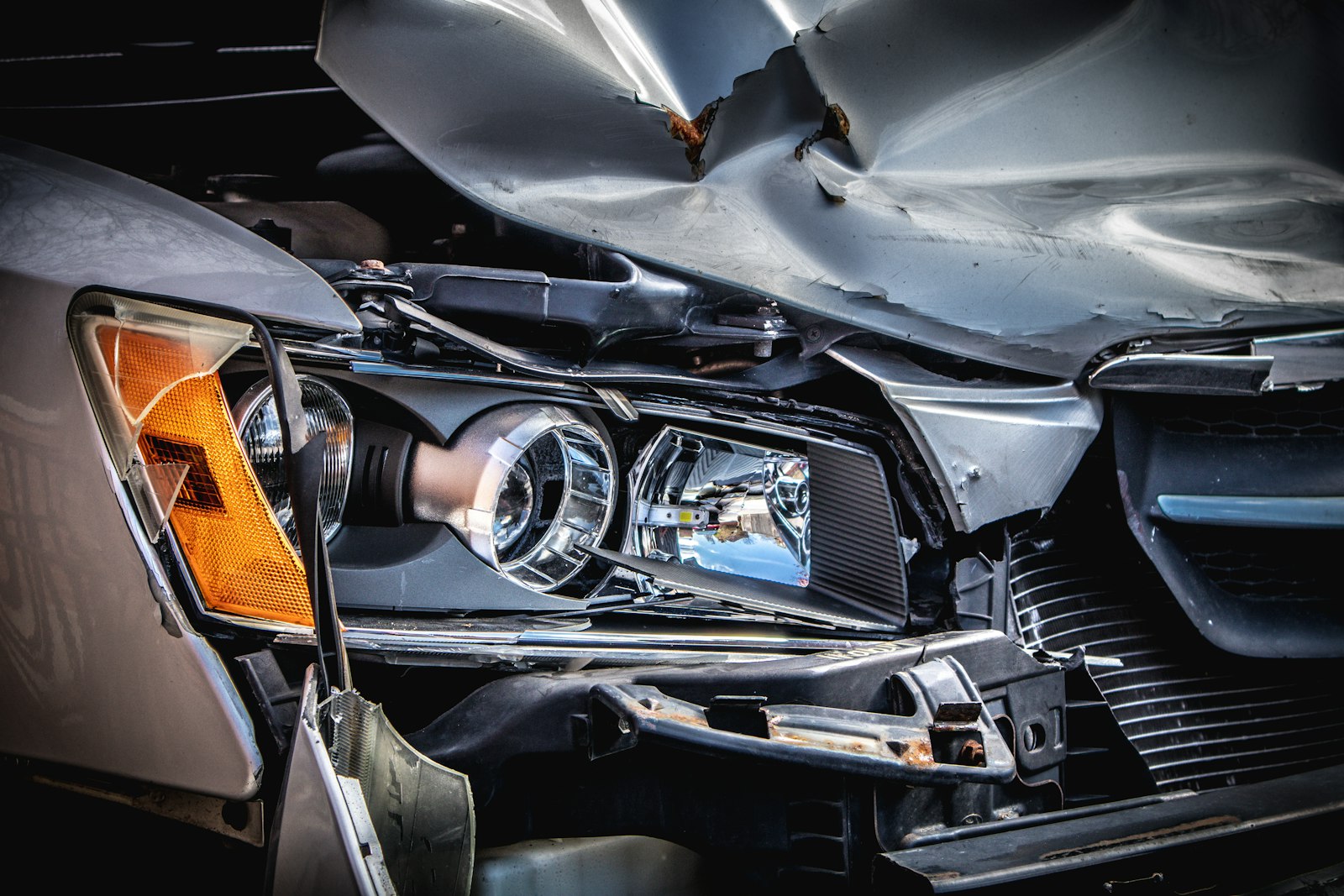
Short summary: A single car crossed the median on a wet parkway and hit a tree, and the 19-year-old driving it did not survive. Families are usually told there is nothing to pursue when only one vehicle is involved. Generally that is not true, because roads, vehicles and maintenance contractors are all capable of being at fault.
Single-vehicle crashes get closed quickly, and the closing is often premature.
What happened
Around 9:45 a.m. on Tuesday, September 1, a 2010 Toyota Corolla traveling southbound on the Palisades Interstate Parkway near mile marker 31.3, close to the Lake Welch Drive exit in Stony Point, crossed into the median. The 19-year-old Newburgh driver was the only occupant and had to be extricated. He was pronounced dead at Good Samaritan Hospital in Suffern.
State Police confirmed the roadway was wet and said they have not determined whether speed, mechanical failure or driver distraction contributed. The investigation is ongoing, as reported by Hoodline.
What gets missed in single-vehicle cases
When there is no second driver, the file often stops. But the same list of questions applies as in any other crash, and several of them point away from the driver.
Was there standing water because a drainage system failed. Was the pavement worn smooth or rutted in a way that channels water. Was a guardrail missing, damaged, or installed in a way that made a survivable crash unsurvivable. Was there a defect in the vehicle, a recalled component, or a tire that failed. Each of those generally points at a different responsible party.
The road agency question, and its short clock
A parkway is maintained by a public agency, sometimes with contractors doing the physical work. Claims against public agencies in New York generally require a notice of claim within 90 days, and against the State they follow their own separate procedure with its own short deadline.
Those deadlines run while a State Police investigation is still open, which is the trap. We described the same pattern in our post on a wrong-way detection system lawsuit.
What families can do in the first weeks
Photograph the location, including drainage, pavement condition and any barrier, before repairs change it. Ask that the vehicle be preserved rather than salvaged so the tires, brakes and event data recorder can be examined. Get the State Police case number and the reconstruction report. And check whether the household policy carries coverage that responds even with no other driver, as we outline in our uninsured driver guide.
Questions New Yorkers ask us
Is there any claim when only one car was involved?
Generally there can be. Vehicle defects, tire failures, road design, drainage and barrier maintenance are all possible sources of responsibility, and none of them require a second driver.
Does a wet road mean the driver was speeding?
Generally no. Wet pavement is a condition, not a conclusion. Whether the surface drained properly and whether it met the standard for that road are separate questions that require someone to look.
Not sure where you stand after a crash? Get your free case review or call (888) 208-0529. A real person answers, 24/7.
Reporting: Hoodline.